


The OG 340 GSM in Blue Gold Denim Trucker - 340 GSM
Sign in to save and reuse your measurements across products.
Crafted for those who appreciate heritage menswear with a modern edge, our OG 340 GSM Blue Gold Denim Trucker is a masterclass in structural character and vintage design. Cut from a substantial, high-density 340 GSM denim fabric, it offers the perfect balance of rugged durability and comfortable daily wear.
The deep, rich indigo hue is beautifully accented by classic gold-contrast stitching, drawing focus to its historic Type I-inspired roots. This jacket is built with a raw, structured feel that will beautifully fade, crease, and mold to your body over time, telling its own unique story with every wear.
340 GSM
Cold wash only
Line dry inside-out in air only
Do-not steam dry in machine. The artifact is made with natural fibers. Excessive tumble drying may lead to shrinkage and fiber damage.
90 days, no questions asked return & exchange.
Free repair or replacement, as applicable, for any structural damage for upto 10 years
All orders are dispatched within 72 hours of order placement.
Domestic (India) orders are delivered within 4-5 days of order placement depending on area
International orders are delivered within 5-7 days of order placement
A closer look
OG Trucker in Blue Gold
Jackets & Coats · Cotton Denim · 340 GSM — Durability and Timeless Style
A guide
To your next Layer
Drag the temperature you're dressing for and pick a fabric. The collection re-ranks itself, and we explain the top pick.
—
Off-temperature pieces are shown dimmed.
-
 No.
No.
Kessler · Bone White
Rated 12–34°C
Rs. 3,450.00
-
 No.
No.
Kessler · Navy Blue
Rs. 3,450.00
-
 No.
No.
Kessler · Teal
Rs. 3,450.00
-
 No.
No.
Kessler · Black
Rs. 3,450.00
-
 No.
No.
Kessler · Peach Dust
Rated 12–34°C
Rs. 5,450.00
-
 No.
No.
Kessler · Buttercream
Rs. 5,450.00
-
 No.
No.
Kessler · Cloud White
Rated 15–35°C
Rs. 4,750.00
-
 No.
No.
Kessler · White
Rs. 3,450.00
-
 No.
No.
Sawyer · Black
Rated 14–28°C
Rs. 2,250.00
-
 No.
No.
Sawyer · Ecru Beige
Rated 18–40°C
Rs. 1,850.00
-
 No.
No.
Sawyer · Cloud White
Rated 15–34°C
Rs. 2,850.00
-
 No.
No.
Sawyer · Deep Teal
Rated 14–28°C
Rs. 2,250.00
-
 No.
No.
Sawyer · Pure White
Rated 14–28°C
Rs. 2,250.00
-
 No.
No.
Sawyer · Dark Navy
Rated 14–28°C
Rs. 2,250.00
-
No.
Sawyer · Buttercream
Rated 14–28°C
Rs. 3,450.00
-
 No.
No.
Sawyer · Cloud Blue
Rated 0–18°C
Rs. 3,450.00
-
 No.
No.
Sawyer · Peach Dust
Rated 14–28°C
Rs. 3,450.00
-
 No.
No.
Atticus · Indigo Chambray
Rated 20–34°C
Rs. 2,400.00
-
 No.
No.
Atticus · Buttercream
Rated 18–32°C
Rs. 2,400.00
-
 No.
No.
Atticus · Raw Indigo
Rated 10–26°C
Rs. 3,400.00
-
 No.
No.
Atticus · Smoked Burgundy
Rated 18–32°C
Rs. 2,400.00
-
 No.
No.
Atticus · Moss Green
Rated 18–32°C
Rs. 2,400.00
-
 No.
No.
Atticus · Dirty Taupe
Rated 18–32°C
Rs. 2,400.00
-
 No.
No.
Atticus · Warm Sand
Rated 18–32°C
Rs. 2,400.00
-
 No.
No.
Atticus · Deep Navy
Rated 18–32°C
Rs. 2,400.00
-
 No.
No.
Atticus · Black Chambray
Rated 20–34°C
Rs. 2,400.00
-
 No.
No.
Atticus · Deep Olive
Rated 18–32°C
Rs. 2,400.00
-
 No.
No.
Atticus · Smoked Plum
Rated 22–38°C
Rs. 4,800.00
-
 No.
No.
Atticus · Muted Slate
Rated 22–38°C
Rs. 4,800.00
-
 No.
No.
Atticus · Warm Taupe
Rated 22–38°C
Rs. 4,800.00
-
 No.
No.
Atticus · Ecru Beige
Rs. 1,500.00
-
 No.
No.
Atticus · Warm Ivory
Rs. 1,500.00
-
 No.
No.
Atticus · Ebony Black
Rated 21–36°C
Rs. 1,500.00
-
 No.
No.
Atticus · Regal Blue
Rated 21–36°C
Rs. 1,500.00
-
 No.
No.
Atticus · Deep Olive
Rs. 1,500.00
-
 No.
No.
Atticus · Teal Blue
Rs. 1,500.00
-
 No.
No.
Atticus · Berry Red
Rated 18–32°C
Rs. 2,400.00
-
 No.
No.
Atticus · Muted Teal
Rs. 4,800.00
-
 No.
No.
Atticus · Soft Terracota
Rs. 4,800.00
-
 No.
No.
Atticus · Soft Yellow
Rs. 4,800.00
-
 No.
No.
Atticus · Deep Plum
Rs. 4,800.00
-
 No.
No.
Atticus · Dark Forest
Rs. 4,800.00
-
 No.
No.
Atticus · Misty Pink
Rs. 1,500.00
-
 No.
No.
Atticus · Cranberry Red
Rated 21–36°C
Rs. 1,500.00
-
 No.
No.
Atticus · Peppermint Green
Rs. 1,500.00
-
 No.
No.
Atticus · Natural Fleck
Rs. 1,500.00
-
 No.
No.
Atticus · Sky Blue
Rated 18–32°C
Rs. 2,400.00
-
 No.
No.
Harrington · Desert Storm
Rated 14–26°C
Rs. 7,700.00
-
 No.
No.
Harrington · Smoked Burgundy
Rated 14–26°C
Rs. 7,700.00
-
 No.
No.
Harrington · Smoked Olive
Rated 14–26°C
Rs. 7,700.00
-
 No.
No.
Harrington · Buttercream
Rated 14–26°C
Rs. 7,700.00
-
 No.
No.
Harrington · Deep Navy
Rated 14–26°C
Rs. 7,700.00
-
 No.
No.
Harrington · Greige
Rated 14–26°C
Rs. 7,700.00
-
 No.
No.
Harrington · Chalk White
Rated 14–26°C
Rs. 7,700.00
-
 No.
No.
Newman · Midnight Navy
Rated 14–26°C
Rs. 11,990.00
-
 No.
No.
Newman · Soft Sky
Rated 18–30°C
Rs. 11,990.00
-
 No.
No.
Newman · Raw Indigo
Rs. 7,700.00
-
 No.
No.
Newman · Soft Cream
Rated 14–26°C
Rs. 11,990.00
-
 No.
No.
Newman · Taupe Chambray
Rated 14–26°C
Rs. 11,990.00
-
 No.
No.
Newman · GreyChambray
Rated 14–26°C
Rs. 11,990.00
-
 No.
No.
Newman · Chalk & Board
Rated 14–26°C
Rs. 11,990.00
-
 No.
No.
Newman · Cinnamon Mocha
Rated 18–30°C
Rs. 11,990.00
-
 No.
No.
Newman · Biscotti Taupe
Rated 18–30°C
Rs. 11,990.00
-
 No.
No.
Newman · Pale Ivory
Rated 18–30°C
Rs. 11,990.00
-
 No.
No.
Newman · Ocean Navy
Rated 18–30°C
Rs. 11,990.00
-
 No.
No.
Newman · Raven Black & White
Rated 18–30°C
Rs. 11,990.00


Nothing fits that brief — yet.
Try widening the temperature, switching silhouette, or clearing a filter.
You can feel the quality the second you pick this jacket up. The matte-silver donut buttons feel heavy and secure, and the fabric has a great substantial weight to it without feeling overly stiff. The curved side welt pockets have heavy bar-tack stitching at the corners so I’m not worried about them ripping when I put my phone or hands in them. It's the perfect everyday jacket that looks sharp enough for a night out but is rugged enough for daily wear.
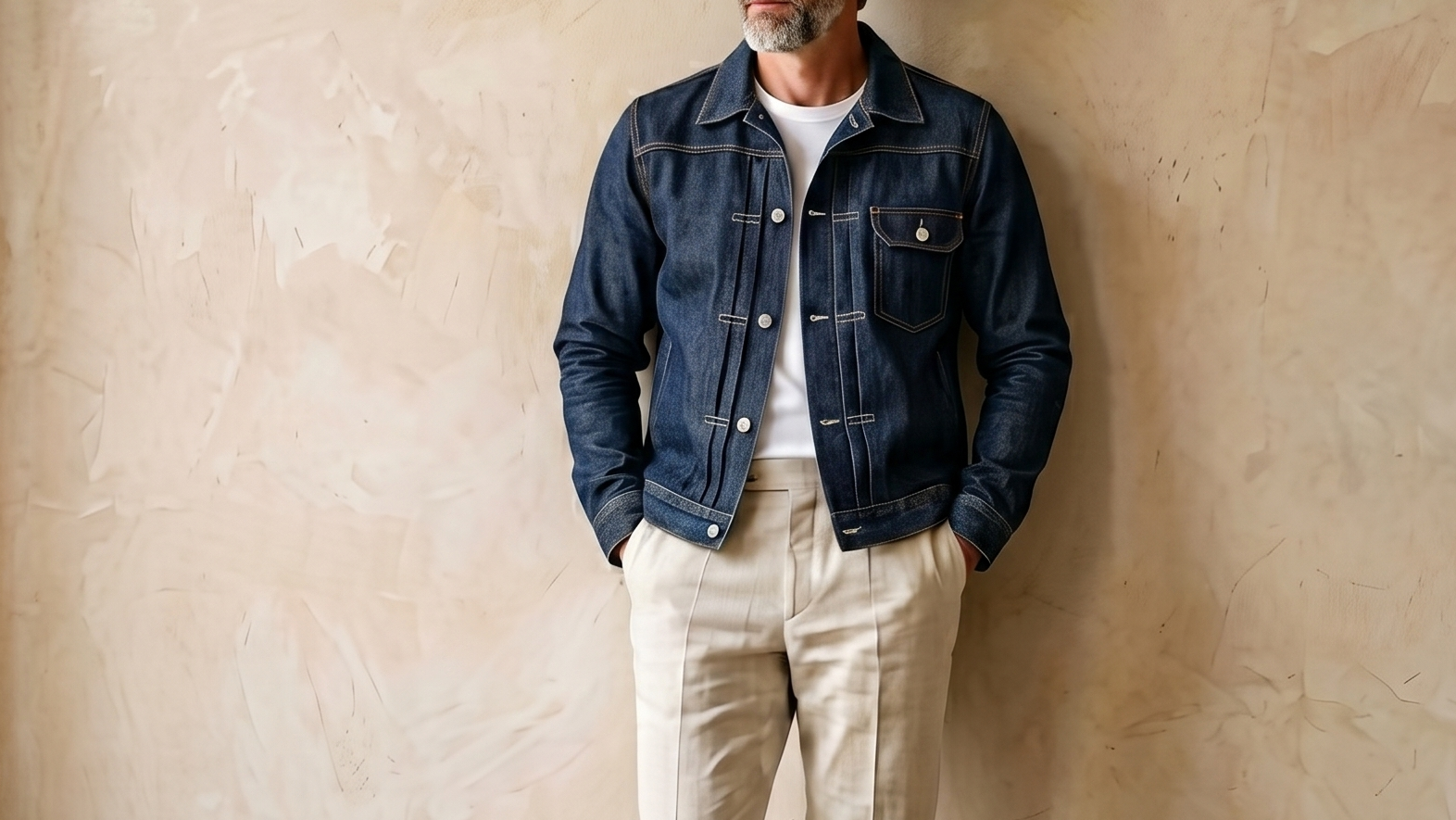
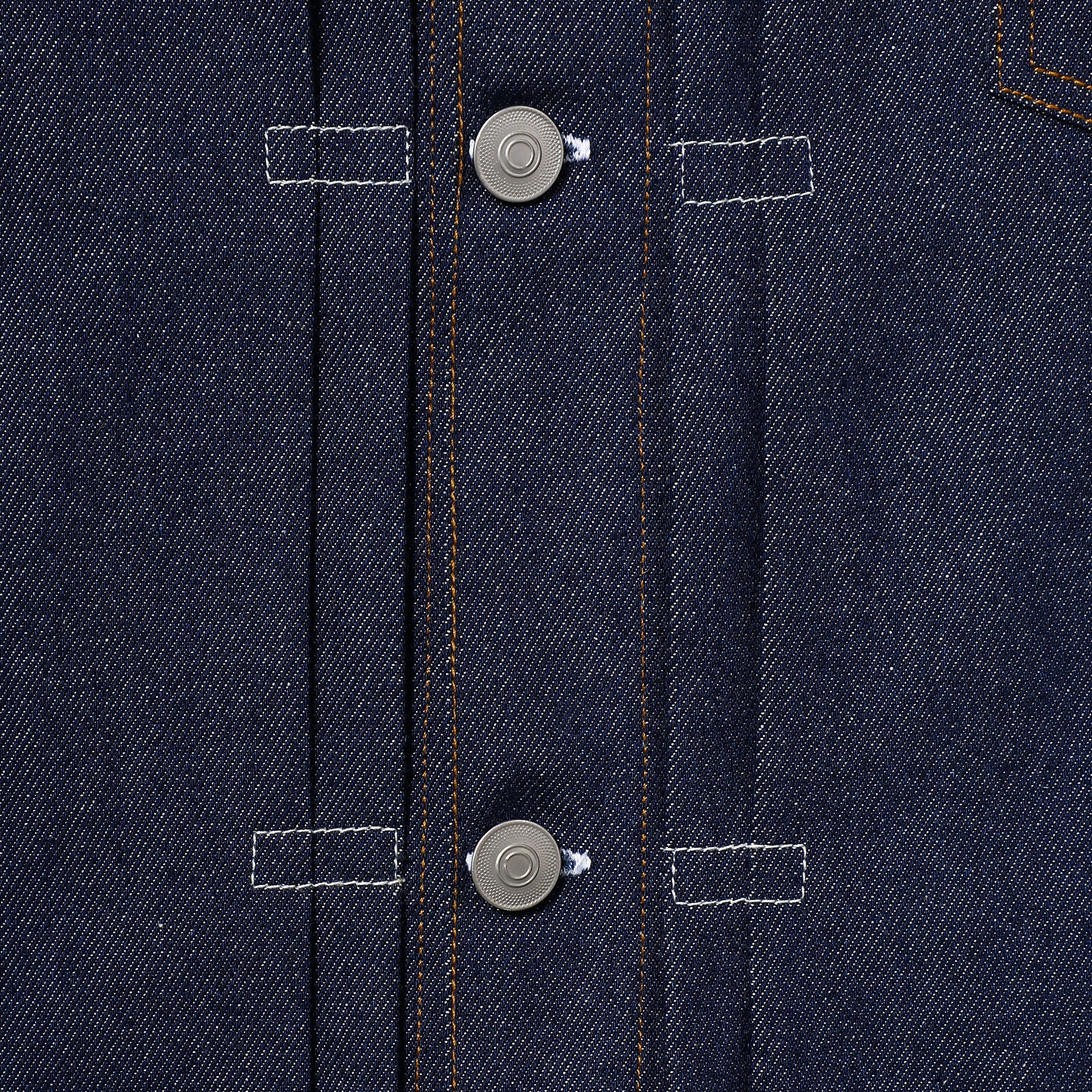
The Front Pleats & Box Stitching
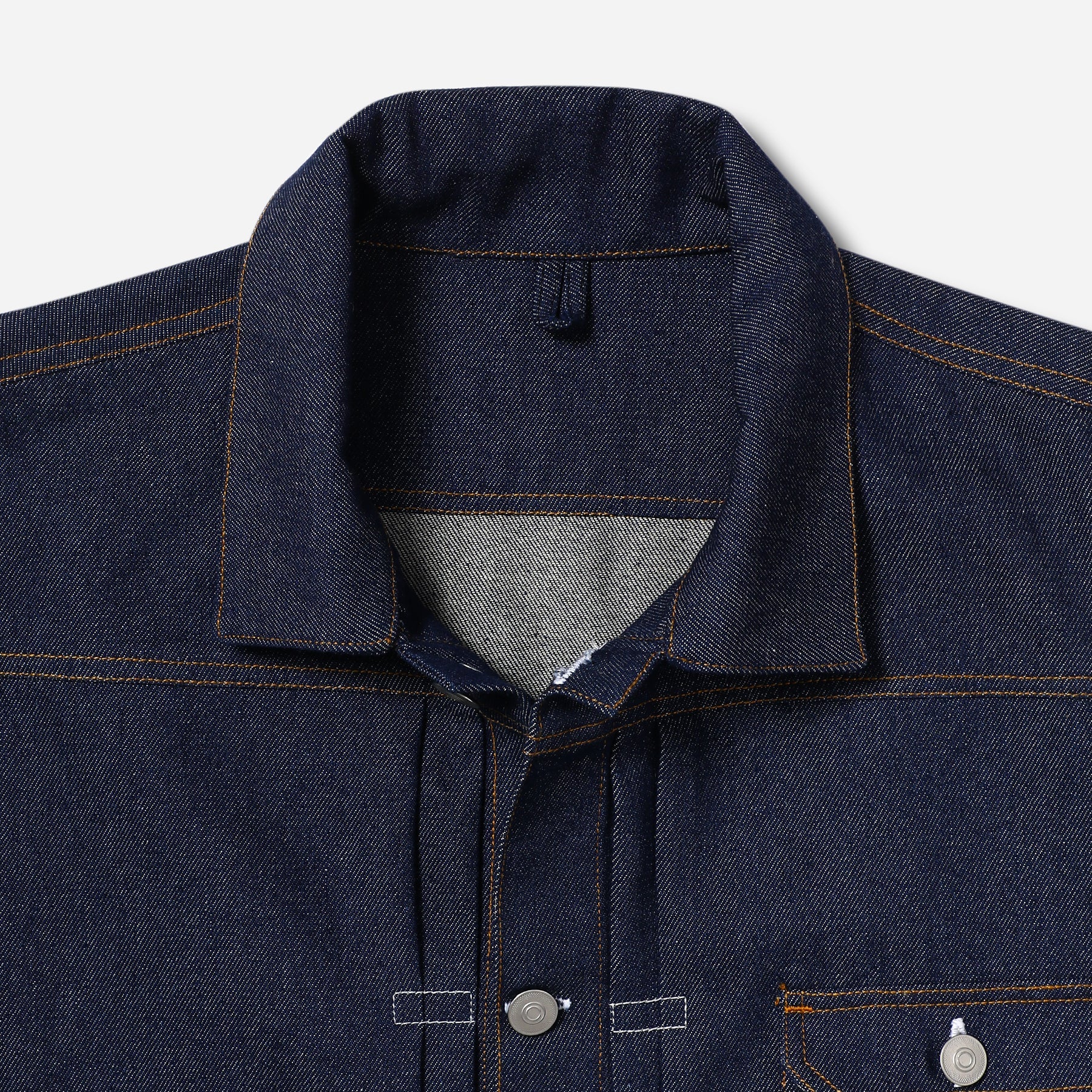
Classic Point Collar Design
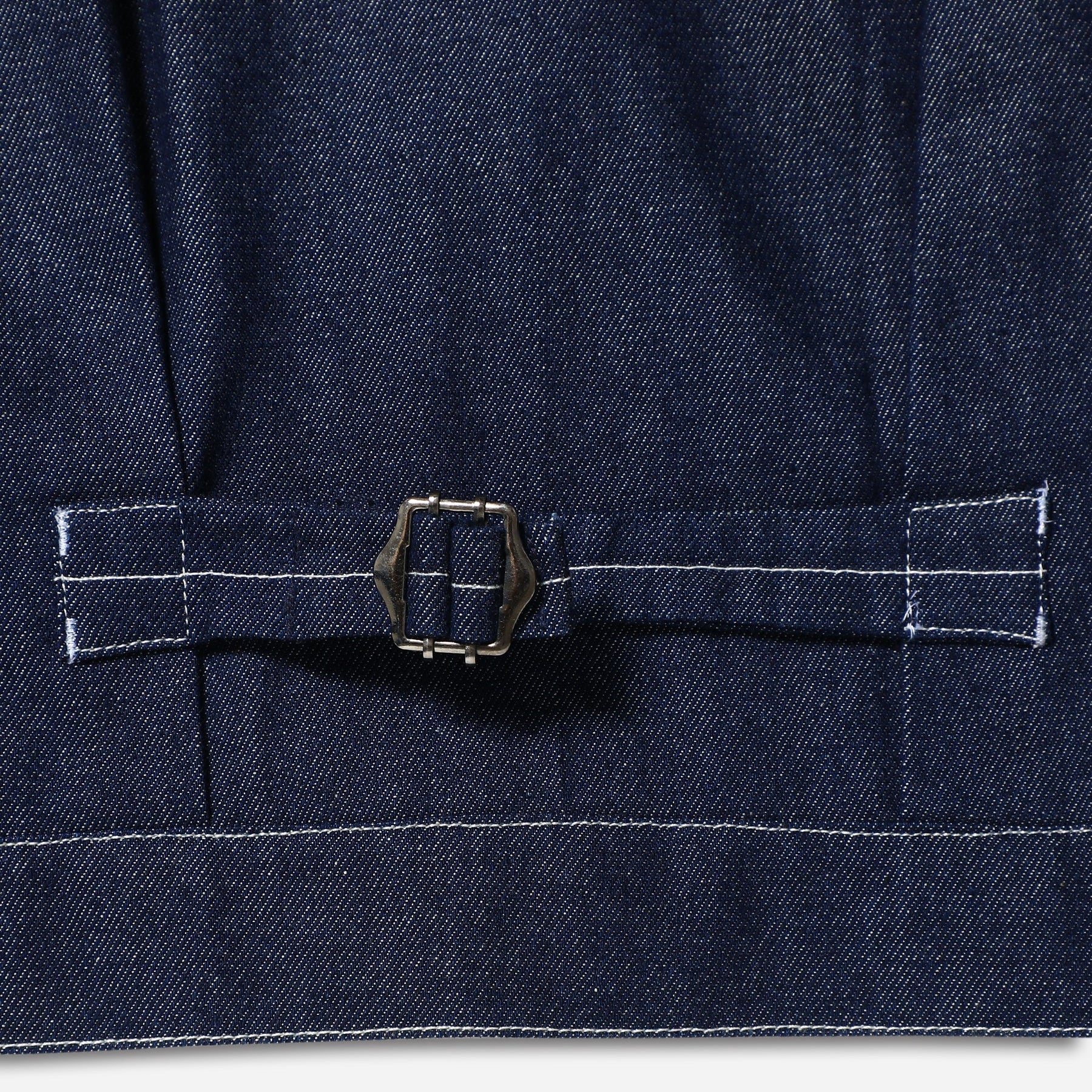
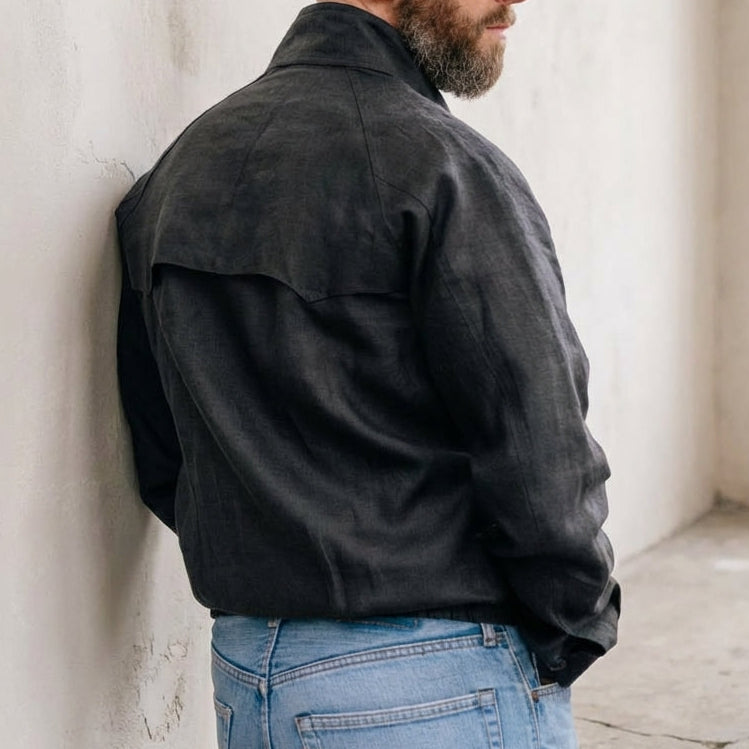
Heritage Back Pleats & Buckle Strap (Cinch-Back)
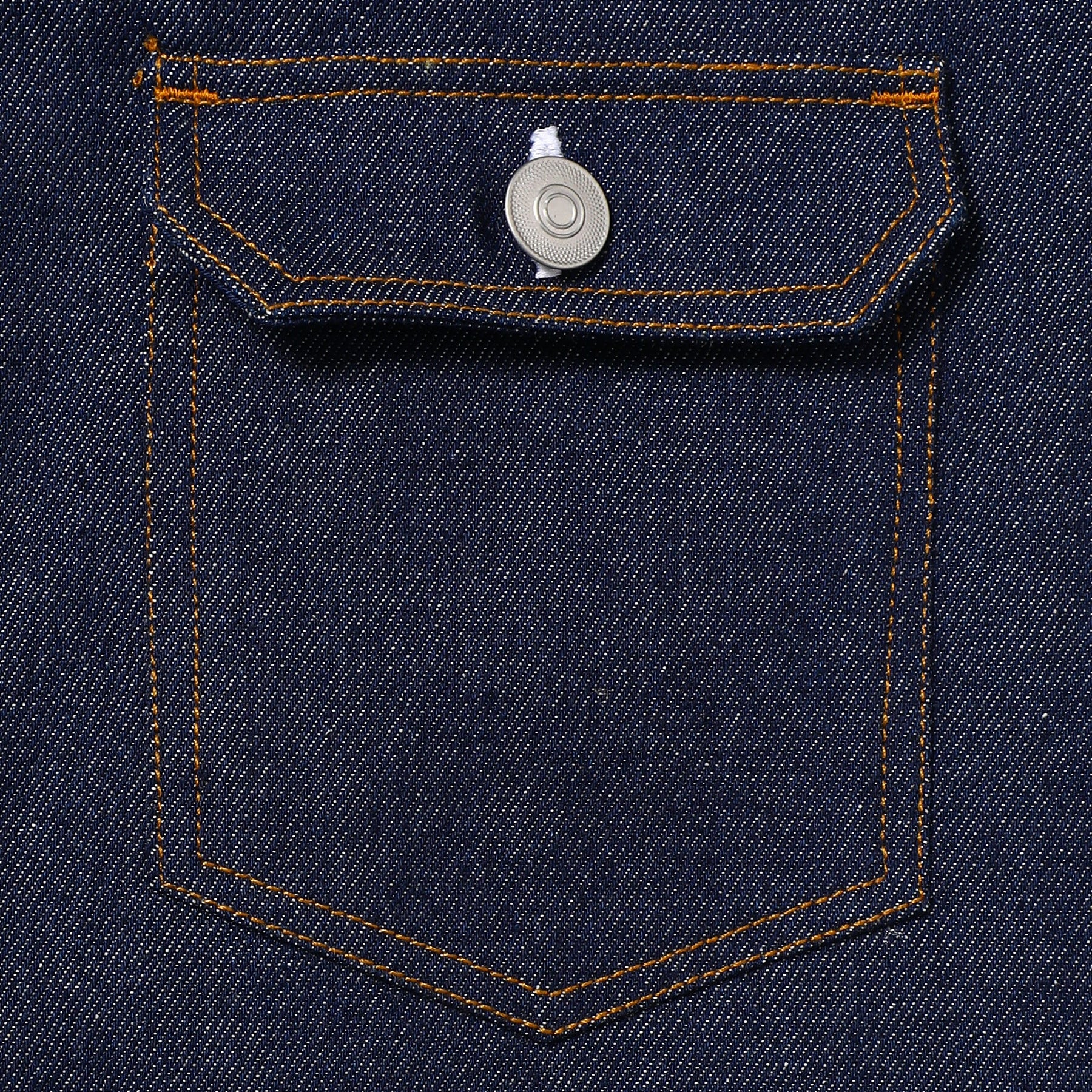
Single Asymmetrical Button-Flap Pocket
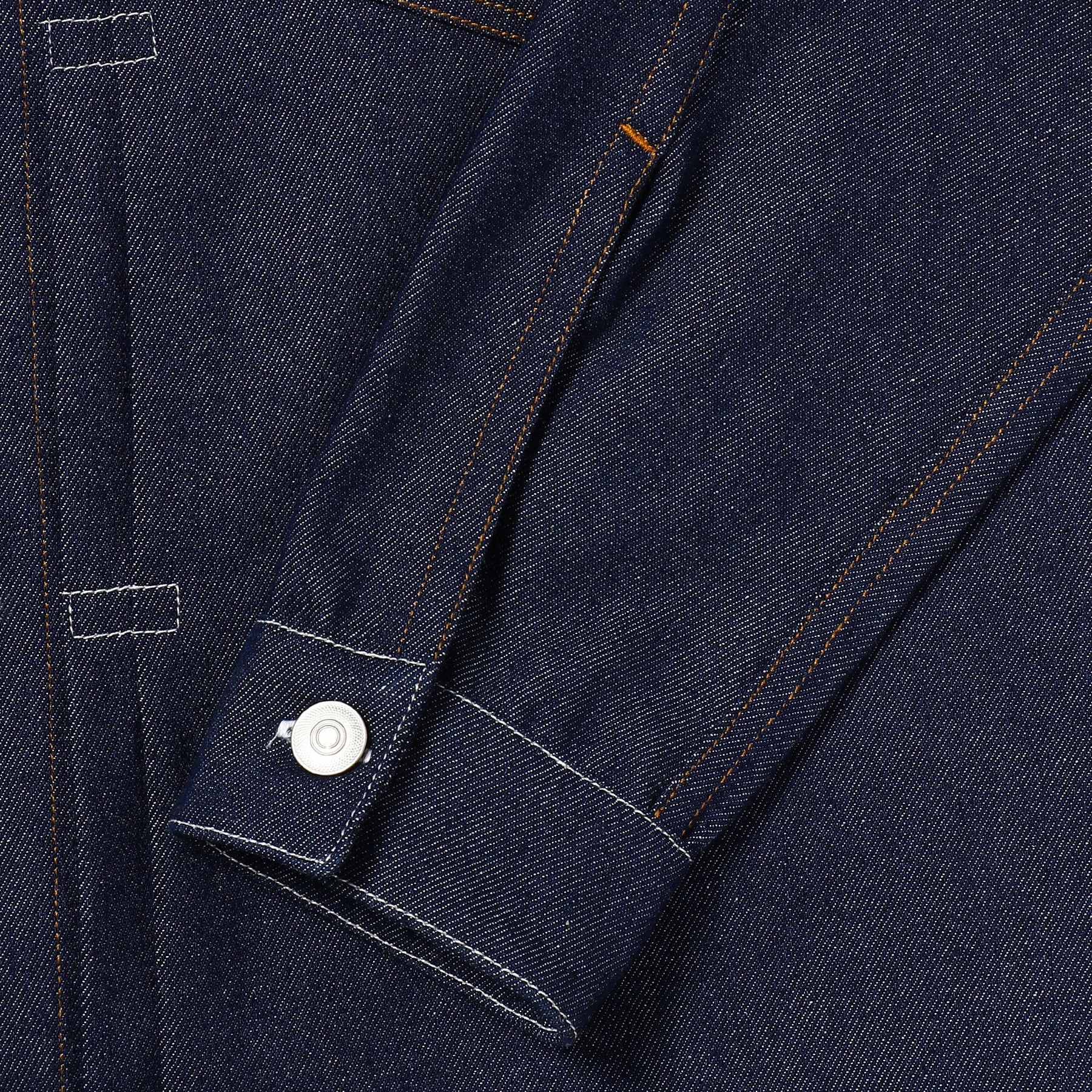
Custom "Donut" Buttons
The Front Pleats & Box Stitching
Classic Point Collar Design
Heritage Back Pleats & Buckle Strap (Cinch-Back)
Single Asymmetrical Button-Flap Pocket
Custom "Donut" Buttons

Time Honored, Modernized

The History of Jackets & Coats
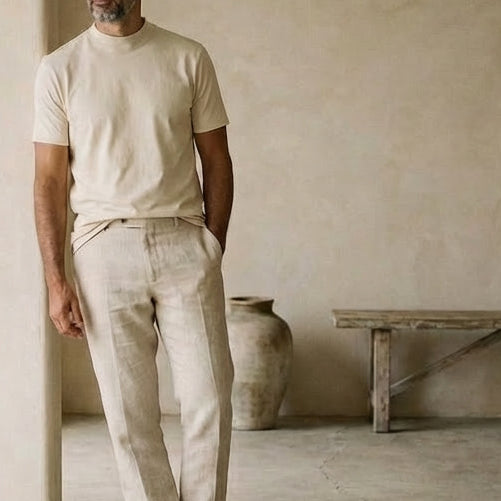


Forge Supply
At our dedicated production facility, FORGE Supply, we are on a mission to solve the "standard size" struggle. We recognise that the Indian physique is diverse and unique, often underserved by global sizing charts.
With our precision laser cutting and in-house single person tailoring we are committed to delivering clothing that celebrates the individual and stands the test of time.
